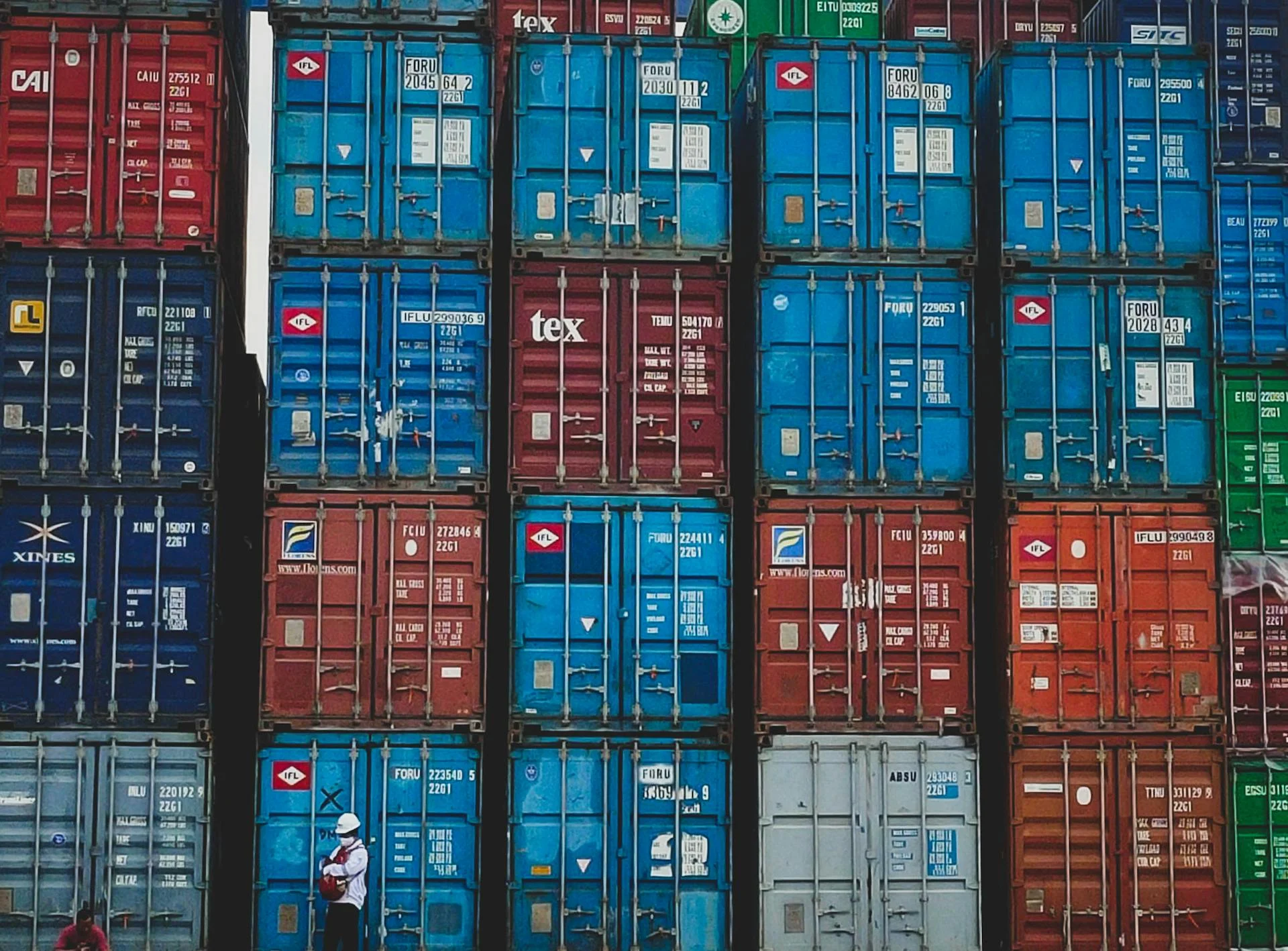
How do I import food to Sweden?
Importing food into Sweden requires more planning than many other types of goods. It's not just about customs and VAT, but also about food safety, documentation, labeling and sometimes special checks before the goods can be resold.
First, you need to know whether the food comes from an EU country or from a non-EU country. Imports from non-EU countries normally require an import declaration, while trade within the EU often works differently. You also need to know whether the product is animal, vegetable, organic, pre-packaged or specially regulated.
Tullify helps companies understand the steps required before shipping goods. We help you with customs documentation, import declaration, document control and practical guidance to make importing safer, clearer and easier to implement.
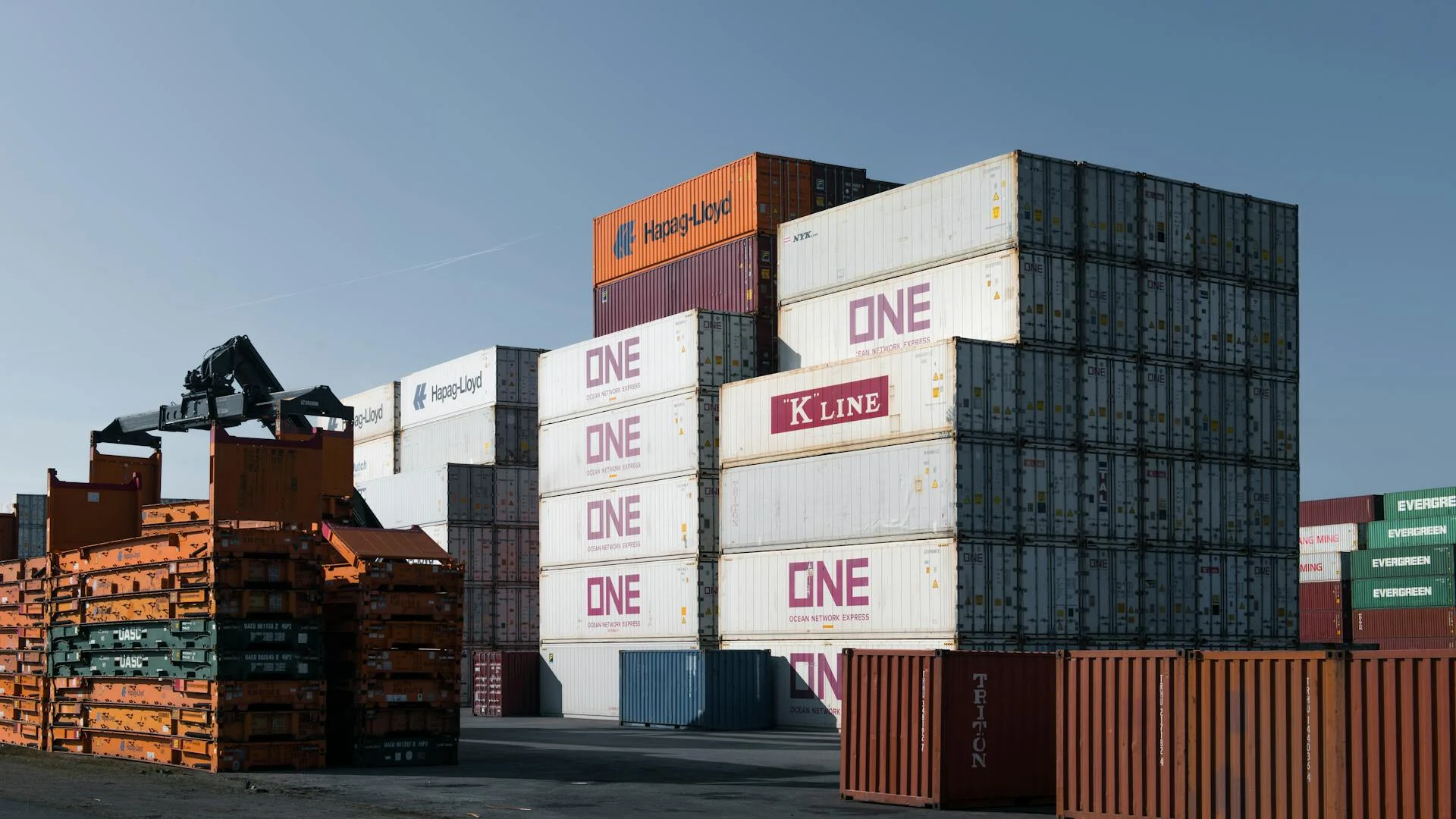
What documents do I need to have?
The documents you need depend on the type of food you are importing, the country the product comes from and whether the product is subject to special regulations. A typical import often requires an invoice, transport documents, packing list and clear product information.
For food, information on origin, health certificates, certificates of analysis, organic certificates, ingredient lists, allergen information and documents showing that the product is allowed to be sold within the EU may also be required. If the documents are unclear, the import may be delayed or need to be supplemented.
Tullify helps you check which documents are needed for your specific case. This makes it easier to avoid problems at the border, incorrect information in the import declaration and unnecessary delays when the goods arrive in Sweden.
How much does it cost to import food?
The cost of importing food often consists of several parts. It is therefore important to not only calculate the purchase price from the supplier, but also include customs, VAT, shipping, insurance, inspections and administrative costs.
Common costs to consider are:
- Purchase price of the item
- Shipping to Sweden
- Insurance
- Possible customs duty
- Import VAT
- Cost of customs agent
- Inspection fees
- Terminal fees
- Storage cost in case of delay
- Additional documents or certificates
Tullify helps you understand what costs may affect your import before you order. This allows you to calculate the deal more realistically and avoid surprises once the goods are already on their way.
What am I not allowed to import?
Not all foods may be imported into Sweden.. Some products may be prohibited, restricted or require special permits depending on country of origin, content, hygiene risk, disease risk or EU regulations. Therefore, the product must be checked before shipping.
This may include animal products from countries that are not approved, foods with excessive levels of pesticides, products with unauthorized ingredients, or goods that lack proper documentation. Dietary supplements, novel foods, and certain specialty products may also require extra control.
Tullify helps you find out if the item can imported and what information is needed. It is always better to check this before the purchase is made, rather than discovering the problem when the goods are at the border.
Certain types of food require specific documentation
Food is not a single, simple product category. The rules can vary greatly between, for example, meat, fish, dairy products, fruit, spices, rice, nuts, coffee, tea, dietary supplements and pre-packaged products. Therefore, the documentation needs to be adapted to the product.
Animal-based foods often require more extensive documentation than many plant-based products. This may involve health certificates, pre-notification and inspection at border inspection posts. Some plant-based foods from specific countries may also require inspection due to risks such as pesticides or contaminants.
Tullify helps you identify the type of food you are importing and which documents may be relevant. This provides a clearer process and reduces the risk of errors when submitting the import declaration.
VAT and tax related to food
When you import food into Sweden, import VAT needs to be handled correctly. If your company is VAT registered, the import VAT is normally reported to the Swedish Tax Agency. If the company is not VAT registered, the VAT may need to be paid to the Swedish Customs instead.
Important things to check are:
- If the company is VAT registered
- What VAT rate applies to the food?
- If the product is considered food or other goods
- What customs value has been determined?
- Whether customs duties or other fees should be included in the VAT base
- Which period should the VAT be reported in?
- What documentation does accounting need?
Tullify helps you with the customs-related information needed for proper import management. This makes it easier for you and your accounting firm to handle VAT and accounting correctly.
Import of animal-based foods
Animal-based foods are products that come from animals. They can be meat, fish, milk, eggs, honey or products that contain animal ingredients. This type of import is often more regulated because it can affect both human and animal health.
When importing from countries outside the EU, food of animal origin may need to be pre-notified and checked at a border inspection post. Health certificates, specific information about the producer and documents showing that the product is allowed to enter the EU may be required.
Tullify helps you understand what information is needed for the import itself and the customs declaration. We also help you see which documents should be checked before the goods are shipped, so that the risk of stoppages or delays is reduced.
Import of plant-based foods
Plant-based foods are products from the plant kingdom, such as fruits, vegetables, grains, rice, nuts, spices, coffee and tea. Many plant-based foods can be imported without border controls, but there are important exceptions.
Some vegetable products from certain countries may require extra control. This may be due to past problems with pesticides, mold toxins, salmonella or other risks. Therefore, it is not enough to just check what the product is. You also need to know the country of origin and the current product category.
Tullify helps you figure out what applies to your specific goods. We can help you check documents, product codes, import documentation and what information is needed to ensure the import can be handled correctly.
Food from countries outside the EU
When you import food from countries outside the EU, more administration is normally required than when trading within the EU. This is because the goods must be brought into the EU market and therefore need to meet customs, VAT, safety and inspection requirements.
This often needs to be checked before import:
- Which country does the item come from?
- Whether the country is approved for the current product
- If the product requires border control
- If a health certificate is needed
- If the item requires prior notification
- Which product code applies?
- What customs value should be declared?
- If import restrictions exist
- Whether the labeling meets Swedish requirements
Tullify helps you structure your import before the goods are shipped, making it easier to avoid delays, additions, and avoidable costs.
Do I need to register my company as a food business?
If you are going to import food commercially, you may need to be registered or approved as a food business. This depends on the type of business you are running and which regulatory authority is responsible for your type of business.
Registration is about letting the authority know that you handle food and be able to carry out inspections. This can apply to companies that import, store, sell, distribute or otherwise handle food. The rules may differ depending on whether the business is local, national or linked to specific product categories.
Tullify can help you with the import part and guide you on what issues you should check before you start. We help you understand what documents and information are needed for customs processing and what regulatory issues should be clarified.
Labeling, content and allergens
Food sold in Sweden needs to have correct information. This includes product name, ingredients, allergens, net weight, shelf life, storage, origin and responsible company. Incorrect labeling can create problems even if the import itself goes through.
If the product is pre-packaged, labeling is extra important. The information needs to be clear to the consumer and follow Swedish and EU regulations. Allergens are particularly important because incorrect or unclear information can pose a risk to consumers.
Tullify won't help you write the entire label, but we can help you understand that labeling and product information need to be checked before import. This allows you to ask the right questions to the supplier well in advance.
Common mistakes when importing food
Many problems with food imports arise because the company orders first and checks the regulations afterwards. This can be expensive, especially if the goods are fresh, temperature-sensitive or have a short shelf life.
Common mistakes are:
- Unclear commercial invoice
- Wrong product code
- Missing certificates
- No control of border control requirements
- Insufficient product description
- Incorrect customs value
- Incorrect VAT handling
- Unclear delivery terms
- No control of labeling
- Late contact with customs agent
Tullify helps you avoid these mistakes by checking the documentation early. This results in a better process, fewer surprises, and a safer import from start to finish.
Import of organic food
Organic foods often require special handling when imported. It is not enough for the supplier to call the product organic. In order for the product to be sold as organic in Sweden, the correct regulations, certificates and controls need to be met.
Companies importing organic food may need to be affiliated with a control body and have the correct documentation for the batch. If the documentation is missing or incorrect, in some cases the product cannot be sold as organic, even if it has actually been produced organically.
Tullify helps you with import documentation and can guide you on what issues you should check before buying organic goods from abroad. This is especially important if organic is a central part of the product's value and marketing.
Temperature, durability and transport
Food is often more sensitive than other goods. Temperature, humidity, hygiene, transport time and handling can affect whether the product is still marketable when it arrives. Therefore, logistics need to be planned carefully.
This is especially important for chilled and frozen goods, fresh produce, meat, fish, dairy products and products with a short shelf life. If transport is delayed due to missing documents, the goods can lose value quickly or, in the worst case, become unsellable.
Tullify helps you reduce the risk of administrative delays by checking customs documents in advance. We ensure that the import declaration and documentation are better prepared when the goods reach Sweden.
We help you with the entire import of food
Importing food can be difficult because several parts have to work together. You need to have the right documents, the right commodity code, the correct import declaration, a working VAT basis and be aware of any inspection requirements.
Tullify can help you with:
- Import declaration
- Document control
- Product code
- Customs value
- Import VAT
- Commercial invoice verification
- Checking transport documents
- Advice before import
- Help with additions
- Smoother customs processing
You send us your documentation and we will help you understand what is needed. The goal is to make food imports safer, easier and more predictable for your company.
Pre-notification is made in the EU system TRACES NT through a health import document, CHED. It should normally be submitted at least one working day before the consignment arrives in EU territory, and the goods may not leave the port or airport until the document has been approved. If you choose the wrong type, or provide information that does not match the health certificate, the consignment will be stopped.