Customs declarations
Import and export declarations with commodity code, customs value, origin and the right procedure.
A customs broker submits your customs declarations and is the point of contact with Swedish Customs when something needs to be resolved. At Tullify, we make sure your import and export cases are handled quickly and correctly.
With more than 60 years of combined experience in the industry, we know what it takes to make the customs process simple and efficient. Our client process is designed to be as user-friendly as possible. All you need to do to get started is sign a customs power of attorney online, which takes less than 30 seconds. Once that is done, we take over and handle every step needed for your goods to cross the border without problems.
With Tullify by your side, you can trust us to handle the details while you focus on your business.
Contact us
Import and export declarations with commodity code, customs value, origin and the right procedure.
We make sure the power of attorney, EORI number and the choice between direct and indirect representation are right from the start.
EUR.1, A.TR, T2L/T2LF, customs invoice and origin documents when the shipment needs more than a declaration.
When something gets stuck, we answer Swedish Customs, find the missing detail and correct it before the cost grows.
A customs broker handles customs matters for your international trade and submits the declarations needed to bring goods in or send them out. Alongside the declarations, we help with classification and consultation, and we run customs training for businesses.
The customs broker makes sure all formalities are followed and that customs duty and any other charges are correctly calculated and paid. Import VAT is handled differently. If your business is registered for VAT, you report the import VAT yourself to the Swedish Tax Agency in your VAT return, using the customs bill and the assessed customs value as the basis. To that basis you also add incidental costs such as freight and insurance up to the place of destination in the EU, details that Swedish Customs does not provide. If you are a private individual or not registered for VAT, Swedish Customs collects the import VAT instead.
Any misstep in customs handling can lead to delays, a penalty charge or a demand for additional payment much later.
This is the key distinction, and it is not apparent from the declaration itself. It determines whom Swedish Customs approaches when something needs correcting.
We declare in your name and on your behalf. You are the declarant, and the customs debt is yours. The broker does the work, but the declaration is linked to your business. This is the usual arrangement for Swedish businesses with their own EORI number.
We declare in our own name but on your behalf. The representative is then the declarant, rather than you. As a result, you and the representative become jointly and severally liable for the customs debt, meaning Swedish Customs can demand payment from either of you. This form is necessary when the importer is not established in the EU or Norway and therefore cannot be the declarant themselves. So it is not a choice between two equivalent forms.
The distinction is not apparent from the declaration, but it determines whom Swedish Customs approaches during a reassessment.
Representation at a glance
EORI numberFor us to act as customs broker for your business, a power of attorney is required. It must name us as representative, contain details that identify your business and be signed by an authorised signatory. Tacit consent is not enough. Swedish Customs does not ask for the power of attorney with every declaration, but it must be possible to produce it on request, and Swedish Customs recommends that the representative keeps it on file for ten years. Without a power of attorney, the representative is considered to act in its own name and on its own behalf, and may then become liable to pay the customs debt.
We make sure the right details are included before work begins. A correct power of attorney from the start is the difference between a declaration that goes through and a case that stalls.
Four steps, and you are involved in the first two. The rest happens with us and with Swedish Customs.
EORI number. As a private individual, your personal identity number is enough. If you have no EORI, we help you apply for one.In international trade, the supporting documents determine how quickly things move. These are the documents you may encounter, what each one does and what role we have.
Notification when goods enter the EU customs territory. Forms the basis for customs duty and import VAT.
Export declarationWe submitNotification when goods leave. Only completed once exit is confirmed.
Customs valuation informationWe calculateHow the customs value was calculated. Submitted in the import declaration rather than on a separate form, and required when the customs value exceeds SEK 231,666 and is determined using the transaction value method.
EUR.1We apply, Swedish Customs stampsProof of origin that provides reduced or zero customs duty in partner countries. Newer free trade agreements use origin declarations by registered exporters instead.
A.TRWe apply, Swedish Customs stampsUsed between the EU and Türkiye to certify that goods are in free circulation within the customs union. Covers industrial goods and processed agricultural goods. Coal, steel and certain agricultural goods fall outside.
COOThe chamber of commerce issues itCertificate of Origin that confirms the origin of goods when the destination country requires it. It does not provide preferential customs treatment.
T2L and T2LFCan be handled in consultation with usProof that the goods have Union status, meaning they can circulate freely within the EU.
Customs invoiceWe reviewThe document showing what the goods are, what they cost and where they come from.
Transit document opened and closed in dedicated systems. We guide you onward when a case requires transit.
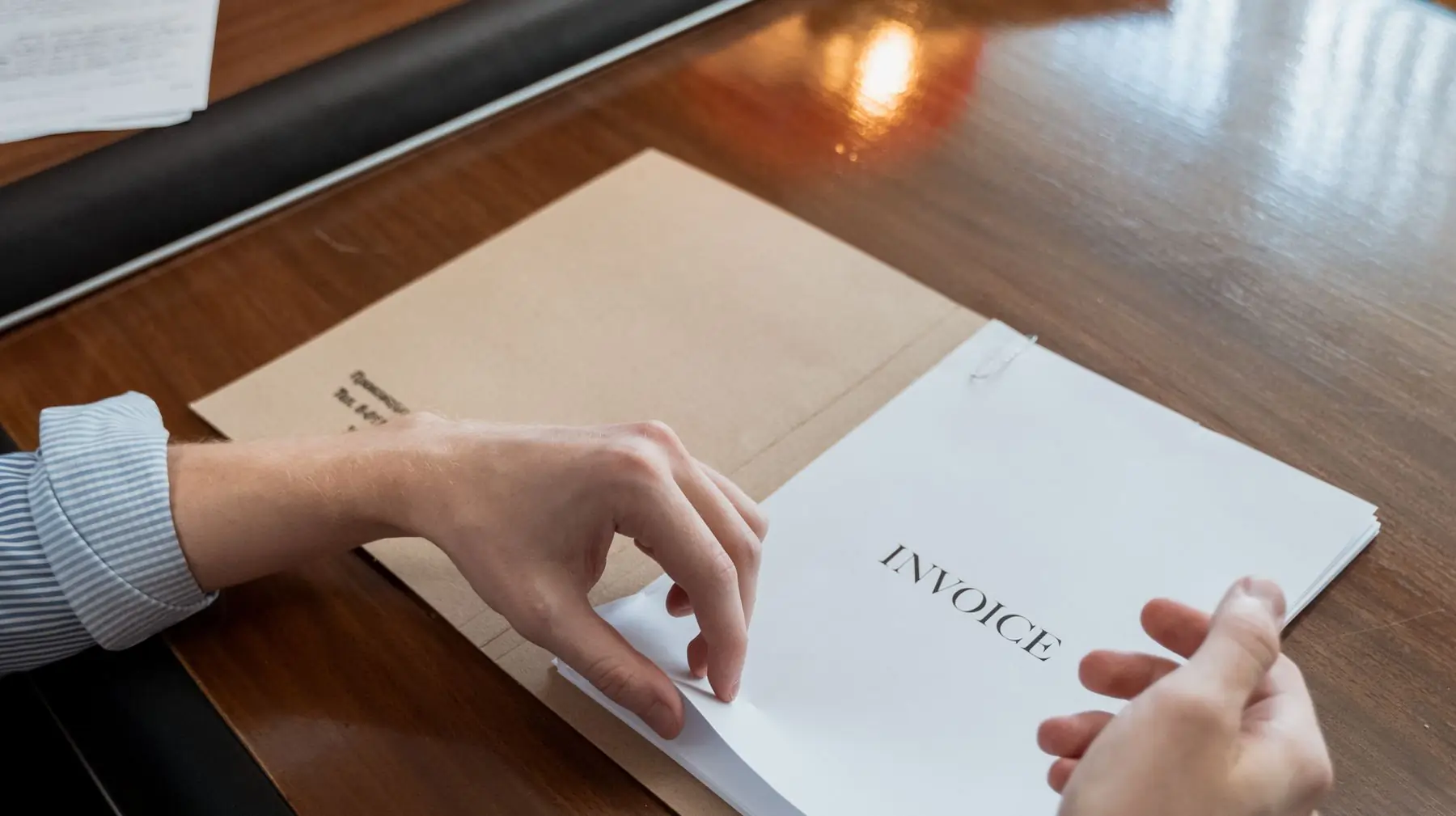
Notification when goods enter the EU customs territory, and the basis for both customs duty and import VAT. The declaration requires a commodity code, customs value, origin and a customs procedure. If your business is registered for VAT, you report the import VAT yourself to the Swedish Tax Agency, and we handle the customs side. Read more about import.
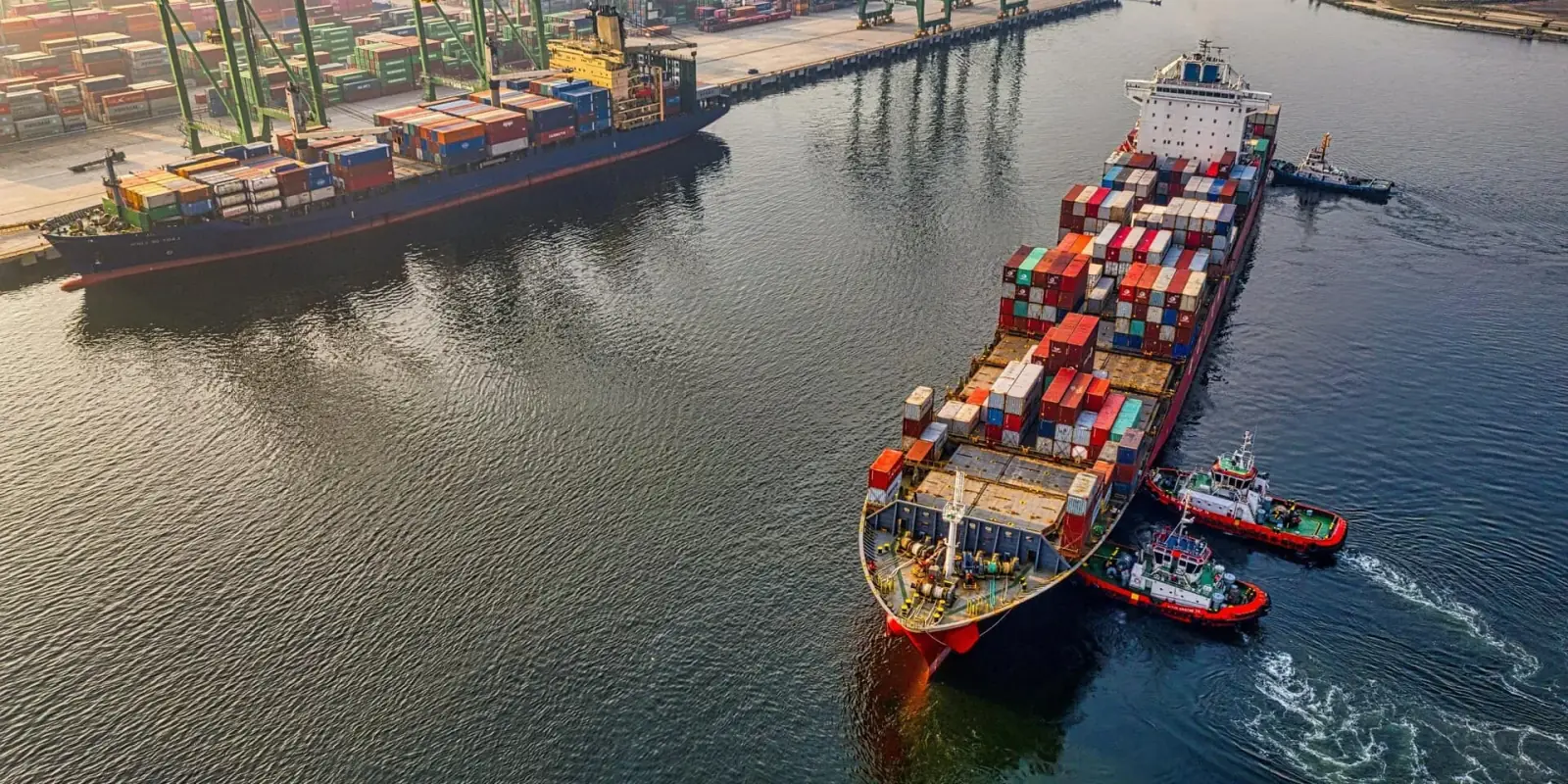
Notification when goods leave the EU. The important detail is that the case is not complete when the declaration is submitted. It is complete when exit is confirmed. Without that confirmation, you lack evidence that the sale was exempt from VAT, and it is the Swedish Tax Agency that asks for it during an audit. Read more about export.
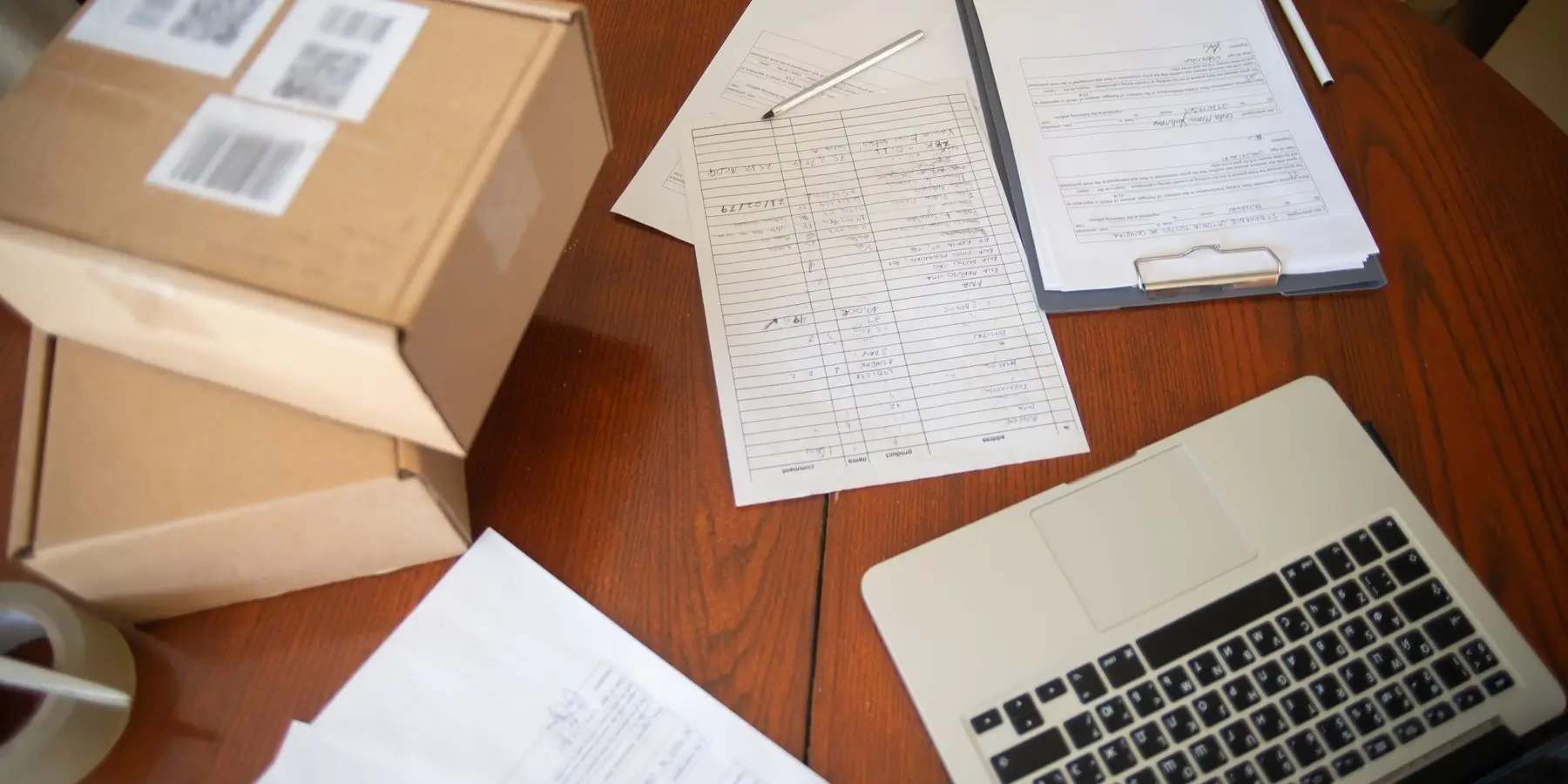
How the customs value was calculated. It is given in the import declaration’s own data elements and not on a separate form, which is a common misconception. The information is required when the customs value exceeds SEK 231,666 and is determined using the transaction value method. Freight and insurance up to the EU border are included in the value. Read more about customs value.
Proof of origin that gives reduced or zero customs duty in countries the EU has free trade agreements with. We prepare the documents and apply, and Swedish Customs stamps it. Newer agreements have left EUR.1 behind and instead use an origin declaration by a registered exporter, known as REX. Read more about EUR.1.

Used between the EU and Türkiye to certify that the goods are in free circulation within the customs union. It covers industrial goods and processed agricultural goods. Coal, steel and certain agricultural goods fall outside the customs union and need an EUR.1 instead. Read more about A.TR.

COO stands for Certificate of Origin, a certificate that confirms the origin of the goods when the destination country or a bank requires it, for example with a letter of credit. Unlike EUR.1, it gives no customs preferences, and it is issued by the chamber of commerce, not by us and not by Swedish Customs. Read more about COO.

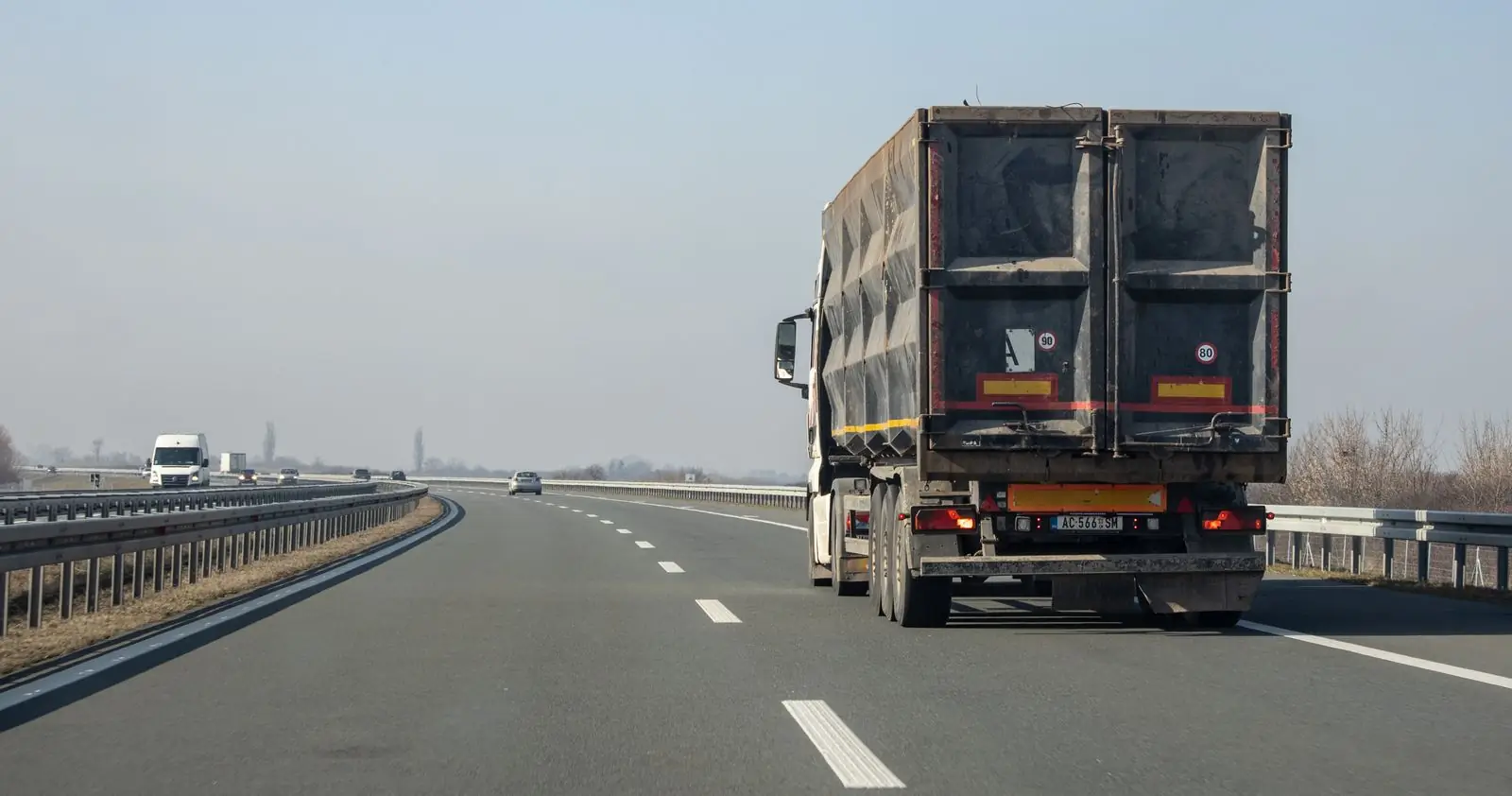
Transit document that lets goods move between locations without customs duty and VAT being paid at the border. It is opened at departure and must be closed at the destination. A transit that is not closed becomes a customs debt. Transit is not something we handle today, so you need to arrange a T1 through the carrier or another provider. Read more about T1.
Proof that goods have Union status, meaning they can circulate freely within the EU. It is needed when the goods pass through an area outside the customs union on the way, or go to an area with special tax status such as Åland. It can be handled in consultation with us when the shipment requires Union status to be proven. Read more about T2L.

The document showing what the goods are, what they cost and where they come from. This is usually where a case gets stuck: a description that says "spare parts" is not enough to set a commodity code. We review the invoice before we declare and contact you if anything is missing. Read more about the customs invoice.

The roles at a glance
The commodity code determines the duty rate, whether the goods are subject to anti-dumping duty, whether they require a licence and whether a free trade agreement can be used. Eight digits for export, ten for import. A code that is close but not right rarely causes an error straight away. It causes a demand for additional payment, often one or two years later, and then with interest.
That is why we ask about the goods before we ask about anything else. Material, degree of processing and function determine the code, and those details are rarely in the invoice. We establish the code and write down why it was chosen, so the decision can be defended if it is questioned.
Customs duty and any anti-dumping duty are paid to Swedish Customs. Import VAT is a different matter. If your business is registered for VAT, you report it yourself in the VAT return to the Swedish Tax Agency, and it is normally deductible. The broker handles the customs duty, not your VAT.
Under direct representation the customs debt is yours. Under indirect representation it is ours together with you, jointly and severally, under Article 77.3 of the Union Customs Code. That is a real difference in risk, and it should be an explicit choice, not something that just happens.
A customs broker charges per case, not per hour, and the price is set by how much work the case requires. Four things account for almost all of the difference. What an export declaration usually costs and how long it takes is in the guide to cost and time.
A shipment with one commodity code is different work from a shipment with forty. Each item has to be classified, valued and, where applicable, linked to a licence or a proof of origin. It is the single largest part of the price.
An invoice that describes the goods, states the currency and delivery terms and matches the packing list goes straight through. An invoice that says "spare parts" requires someone to find out what the parts are made of and what they do, and that contact is what takes time.
Anti-dumping duty, a licence, a quota, dual use or a free trade agreement that has to be proven adds work that a simple case does not have. The same applies to EUR.1 and A.TR, which require a separate application to Swedish Customs.
Indirect representation means we become jointly and severally liable for the customs debt. That is a risk the broker carries, and it is priced. If you are established in the EU and have your own EORI number, you rarely need that form.
We give you the price before work begins, and there is no lock-in period. Send us your case and you will get an answer based on real documents instead of a range.
A freight forwarder arranges the transport: books freight space, coordinates collection and delivery and keeps track of where the goods are. A customs broker handles customs: classifies the goods, submits the declaration and answers Swedish Customs. Many freight forwarders offer both, often by passing the customs part on to a broker in turn.
In practice, you are free to choose. The power of attorney to the customs broker is separate from the transport contract, and you can keep your freight forwarder and still place customs with someone else. That usually becomes relevant when cases get harder than the standard one: the goods are hard to classify, there is a free trade agreement to prove, or a demand for additional payment has arrived and someone needs to be able to explain why the code was chosen.
Who classifies the goods, and on what evidence? What happens if the commodity code turns out to be wrong two years later? Will your answer come from a person who has seen your case, or from a support function?
These questions tell you more than the price list. An incorrect commodity code costs more than the difference in brokerage fees.
What clients say
Send the invoice and packing list, and we will tell you what is missing and take care of the declaration. You do not need to read the whole guide first.
A customs broker submits the customs declaration on someone else’s behalf. The broker prepares and submits import and export declarations, calculates the customs value, classifies the goods and is the point of contact with Swedish Customs when something needs to be resolved. What sets brokers apart is not whether they can fill in the details. It is who bears the responsibility when a detail turns out to be wrong.
The power of attorney is granted to the broker, not to Swedish Customs. You sign a customs power of attorney that names the company acting as representative, the form of representation and the matters it covers. Swedish Customs does not ask for it with every declaration, but it must be possible to produce it on request.
With us, you do it on the power of attorney page, and you do not need to have the commodity code or the supporting documents ready beforehand.
Yes. Businesses are the usual clients, but a private individual importing a car, a boat or a household move can just as well use a broker. The difference is that import VAT is then paid at the time of import instead of being reported in a VAT return, because you are not registered for VAT.
With complete supporting documents, the declaration is submitted the same day. We normally reply within 30 minutes on weekdays between 08 and 17. What causes delays is almost never the submission itself. It is a missing detail: an origin that cannot be proven, an invoice without a description of the goods, or a commodity code that needs investigating.
Yes. Swedish Customs must be able to see that you have appointed the representative. The power of attorney states the form of representation and the matters it covers. It is drawn up once and remains valid until revoked.
At any time. Revoke the old power of attorney and sign a new one. Your history remains in the Swedish Customs system, not with the broker, so you lose nothing by switching.
It depends on the type of goods, the number of goods items in the shipment and the supporting documents. We price each case and tell you the cost before we start. Send us your case and you will get an answer.
We contact you before the declaration is submitted. Providing missing documents in advance is cheaper than correcting them afterwards, and much cheaper than having the goods held up.
The import declaration notifies goods entering the EU customs territory and forms the basis for customs duty and import VAT. The export declaration notifies goods leaving and is only completed when exit is confirmed. Without that confirmation, you lack the evidence for VAT exemption.
Contact us with the MRN or shipment reference. It is usually a detail that does not match the supporting documents, and that can be resolved the same day.
