Importing machinery into Sweden
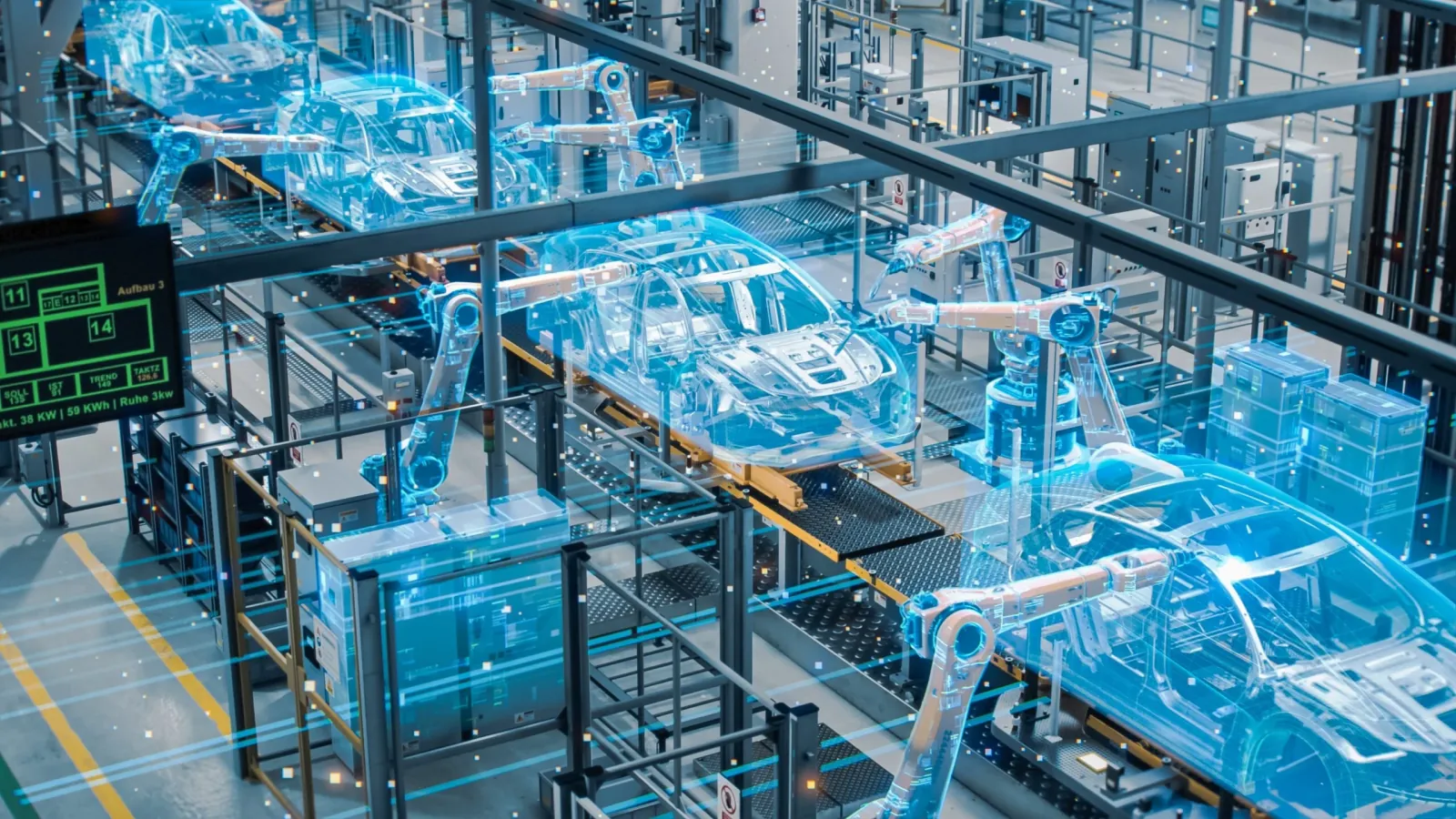
How do I import a large machine into Sweden?
Importing a large machine into Sweden requires more planning than an ordinary goods delivery. It is not just about transporting it from the seller to Sweden. You also need the correct documents, commodity code, customs value and import declaration.
Businesses should start by checking where the machine is coming from. Imports from outside the EU normally require an import declaration, while purchases from another EU country are usually treated as intra-EU trade. Customs duty, import VAT and other charges may apply to imports from outside the EU.
Tullify helps businesses make the process more reliable from the start. We can check what information is needed, prepare the correct customs documentation and help prevent delays caused by incorrect or missing information.
Which documents do I need for this type of import?
When importing machinery, you normally need a clear commercial invoice, transport documents, origin details, the correct commodity code and information about the machine’s value. For larger machines, technical documentation, CE documentation and product information may also be important.
The commercial invoice is one of the most important documents. It should identify the seller and buyer and state what the machine is, its price, delivery terms and the transaction currency. The transport document shows how the machine is shipped and may be needed to substantiate costs affecting the customs value.
If the machine comes from outside the EU, the documentation is needed for the import declaration. The business also needs an EORI number, its registration number with customs in the EU, without which no declaration can be lodged. Tullify helps you gather the correct documents before arrival so the declaration can be completed correctly and the risk of delays is reduced.
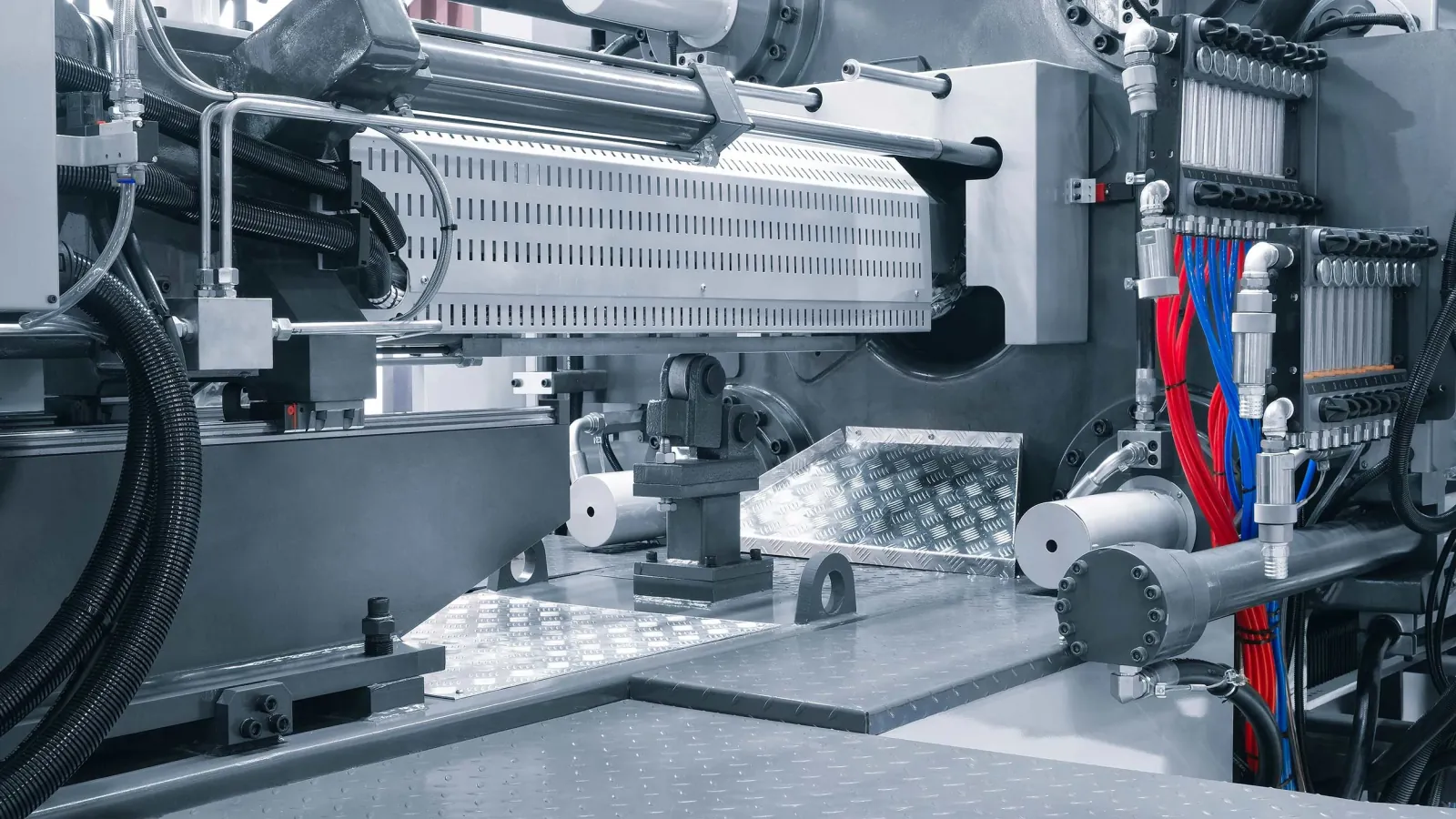
What does it cost to import machinery from an EU country?
When you buy a machine from another EU country, you normally pay no customs duty because goods move freely within the EU single market. That does not mean there are no costs. You still need to budget for transport, insurance, loading, unloading and any installation.
Important costs to check include:
- Transport from the seller to Sweden
- Insurance during transport
- Crane hire, specialist transport or unloading
- Any Swedish VAT reporting
- Documentation and verification of CE marking
- Any inspection, servicing or adaptation costs
The key is to look beyond the purchase price. A large machine can become considerably more expensive if it needs specialist transport, handling or technical checks before it can be used in Sweden. Tullify can help you understand what affects the total cost before you buy.
What does it cost to import machinery from outside the EU?
When importing machinery from outside the EU, you need to budget for additional costs. Besides the machine’s purchase price, there may be customs duty, anti-dumping duty, import VAT, transport, insurance, terminal charges, customs broker fees and document handling charges. Anti-dumping and countervailing duties are extra duties the EU imposes on certain goods from certain countries, and they can be very high. Mobile access equipment designed for lifting persons from China, for example, carries 52.50% anti-dumping duty and 14.20% countervailing duty since 26 April 2025 for manufacturers without their own rate, on top of the ordinary 4.50% third-country duty. Together that is 66.70% on top of the value of the goods. Always check the commodity code and country of origin in the tariff before you sign.
Customs duty depends on the machine’s commodity code, origin and customs value. The customs value is normally based on the price of the goods plus certain costs up to the EU border, such as transport and insurance. Accurate documentation from the outset is therefore important.
Import VAT is normally handled through the Swedish Tax Agency if the business is VAT-registered. Otherwise, VAT may need to be paid to Swedish Customs. Tullify helps you calculate the import costs and prepare the correct declaration documents.
How large can the machinery be?
There is no single standard limit on the size of machinery that can be imported into Sweden. However, its size affects transport, price, logistics and any practical permits needed. A small industrial machine can be sent as ordinary freight, whereas a larger machine may need specialist transport.
Check the machine’s weight, height, width and length, and how it will be loaded and unloaded. For very heavy or wide machinery, the carrier may need to plan the route, book specialist vehicles or arrange special handling at the terminal and unloading site.
For customs purposes, size is not the main consideration. What matters is what the machine is, what it will be used for, its origin and its commodity code. Tullify can check the import details and ensure the documentation is correct before arrival.
Who pays customs duty on the machinery?
Who bears the cost of the duty is settled by the delivery terms in the contract. Who is liable to pay it to Swedish Customs is settled by the customs rules. The declarant is the debtor, and under indirect representation so is the person on whose behalf the declaration is made. The declarant must be established in the EU customs territory, so a seller in China cannot be the declarant even if you have agreed DDP. Being registered for VAT in Sweden is not enough to count as established. In those cases you need an EU-established party or an indirect representative. Norwegian operators are exempt from the establishment requirement, because Norway borders the EU customs territory. If your Swedish business is the importer, you are normally responsible for ensuring the import declaration is correct and that customs duty, VAT and other charges are handled properly.
It is important to check:
- Who is named as the importer
- Which delivery terms apply
- Whether the seller or buyer is responsible for freight
- Whether customs duty and import charges are included in the price
- Whether a customs broker will handle the declaration
- Whether the business is registered for VAT in Sweden
Even if a carrier or customs broker submits the declaration, the information must be correct. An incorrect commodity code, value or origin can cause delays or extra costs. Tullify can clarify responsibilities and help you establish a correct import process.
I want to import specifically from China
Importing machinery from China is common, but requires careful checks. As China is outside the EU, machinery normally needs an import declaration when entering Sweden. Customs duty, import VAT and correct documentation may be required.
The most important step is to check the machine before shipment. You need to know exactly what it is, its function, its materials, its cost and whether it meets EU requirements. CE marking and technical documentation are often key issues for machinery.
Tullify can help you manage imports from China by checking supporting information, commodity codes, customs value and required documents. We also help you understand the costs that may arise before the machine reaches Sweden, so you avoid unwelcome surprises.
How does VAT work when importing machinery?
A business importing machinery from outside the EU normally has to account for import VAT. Businesses registered for VAT in Sweden usually report it to the Swedish Tax Agency. Businesses that are not VAT-registered may instead have to pay import VAT to Swedish Customs.
Import VAT is not calculated solely on the machine’s purchase price. The taxable amount is the machine’s customs value, plus the duty and other state charges except VAT, plus incidental costs such as packaging, transport, loading, unloading and insurance from the place where the goods enter the EU to the place of destination on the transport document. The duty therefore forms part of the amount you calculate VAT on. Documents must show the correct values and the invoice must be clear.
For VAT-registered businesses, import VAT is often an accounting matter rather than a final cost, depending on deduction rights and the business’s VAT status. Tullify helps you prepare the correct import declaration documentation so VAT can be handled correctly at the next stage.
Does the machinery need CE marking?
Machinery placed on the market or put into service within the EEA normally has to meet EU health and safety requirements. CE marking indicates that the machine meets the relevant requirements and can be sold on the single market. The requirements also apply to second-hand machinery brought in from outside the EEA that has not previously been placed on the EEA market, because the machine is then being supplied within the EEA for the first time. If you rebuild a machine so that its conformity is affected, you count as the manufacturer and must redo the assessment and the marking.
In particular, check:
- That the machine has correct CE marking
- That an EC declaration of conformity is available in Swedish
- That operating instructions are available in Swedish, together with the technical documentation
- That the machine is safe to use in Sweden
- That the importer understands their responsibilities
- That documentation is retained and can be produced when needed
The requirement to be in Swedish applies when the machine is placed on the market, put into service or distributed for the first time in Sweden. If the instructions or the declaration are missing, the Swedish Work Environment Authority can impose a penalty of at least SEK 50,000.
This is especially important for imports from China and other countries outside the EU. When you bring a machine in from outside the EEA, it is you who places it on the market. If there is no responsible manufacturer or representative within the EEA, you count as the manufacturer. You then have to carry out the risk assessment, hold the technical documentation, draw up the EC declaration of conformity and affix the CE mark. A machine that does not meet the requirements may not be placed on the market or put into service, and the Swedish Work Environment Authority can stop the sale and require it to be withdrawn. Tullify can help with the import process and advise on which documents to check.
Check the packaging too. Wooden crates, pallets and dunnage arriving with a machine from outside the EU must be treated against pests and marked to ISPM 15. The Swedish Board of Agriculture checks wood packaging on entry and may decide that unmarked wood is destroyed or heat-treated, at your cost as the importer. Tell the supplier before the machine is packed.
We help with the entire import and all the documents
Importing machinery can feel complicated, especially when it involves large equipment, high values and shipments from outside the EU. Many details need to be right: the invoice, commodity code, customs value, origin, transport documents, import declaration and VAT treatment.
Tullify makes importing easier for businesses. We can help you understand what is required before the machine is shipped, which documents you need and how to handle the import declaration. The aim is to reduce delays, incorrect charges and unnecessary administration.
With quick processing, personal service and experience of import cases, Tullify can support you throughout the process. Send us the documentation, and we help check what is needed and ensure the import is handled correctly from start to finish.
Read on
Importing an excavator from China? Read about importing an excavator from China.
The whole import chain is described on our page about importing into Sweden.
More guides are collected in our customs guides.
