Import from China
When you import from China, duty and VAT are calculated on different bases, and certain goods also carry anti-dumping duty on top of normal duty.
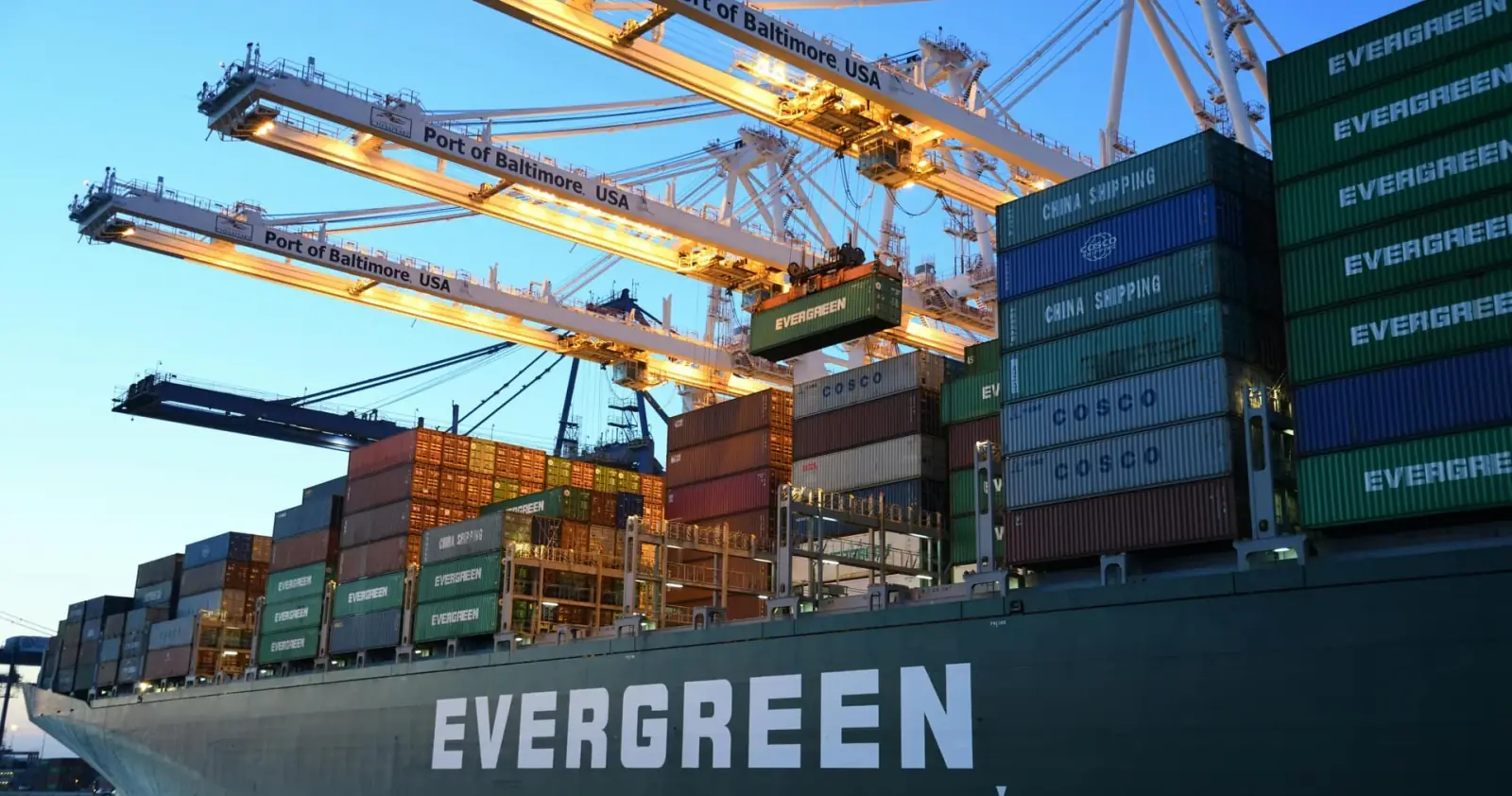
When deciding to import products from China, be well prepared for the rules and formalities of international trade.
Requirements vary by product. Before goods leave China, the Chinese export declaration must be in order. As the goods approach Sweden, an import declaration must be submitted. How it is submitted.
What does importing from China through a customs broker cost?
The cost varies by goods, consignment value and the service you need. Five items affect it.
1. Service fees
The customs broker’s fee for preparing and submitting the declaration.
2. Complexity and additional services
Classification, advice and handling additional information add to the cost when the case requires more work.
3. Consignment value and volume
Both customs value and the number of goods items affect the work involved and therefore the cost.
4. VAT and customs duty
Duty is calculated on the customs value, meaning the goods price plus freight, insurance and handling up to the EU border.
VAT is not calculated on customs value alone. The import VAT taxable amount is the customs value plus duty and other state taxes and charges, plus incidental expenses such as freight and insurance to the first destination in Sweden. The VAT rate is normally 25 per cent.
5. Additional charges
Storage, delays or extra documentation required by Swedish Customs or other regulatory bodies.
VAT is not calculated on customs value alone. It is calculated on customs value plus duty and freight to the first destination in Sweden.
This is not a theoretical distinction. At a duty rate of twelve per cent, calculating VAT on customs value alone understates the base by roughly the corresponding amount, with domestic freight missing as well. If the customs value exceeds SEK 231,666, additional customs valuation information is also required.
Anti-dumping duty is the surprise cost
The EU imposes anti-dumping duty on certain goods from particular countries when sold below normal value. It is added to normal duty and can be very high. The rate depends on the commodity code and manufacturer, so similar goods from different factories may face very different duties.
That is why we need the invoice and the factory’s identity before we can tell you the total import cost.
The import process for businesses, step by step
To start, your business needs registration as an importer and an EORI number. EORI is required to submit customs declarations and handle customs activities when importing from or exporting to countries outside the EU. Registration is free through the Swedish Customs website. How to apply.
As China is not an EU member, customs barriers and other regulatory challenges may arise. Strict EU import rules must be followed, including the RoHS Directive, which protects health and the environment by restricting hazardous substances in electronic equipment. Non-compliance can cause goods to be stopped at customs.
Which goods can you import?
The range is broad, including textiles, automotive products, kitchenware and electronics. Engineering products dominate, accounting for approximately half of Sweden’s imports from China.
Regular imports may require additional authorisations, such as payment deferment for customs duty or a comprehensive guarantee covering financial obligations in customs procedures.
CE marking does not apply to everything
Goods sold on the Swedish market must comply with specific laws and regulations. But CE marking is required only for products covered by harmonised EU legislation. Other products follow general product safety rules, and incorrect CE marking is itself a problem.
Require CE marking
- Toys
- Personal protective equipment
- Machinery
- Electrical equipment
- Radio equipment
Do not require CE marking
- Textiles
- Furniture, which must not carry CE marking
- Ordinary kitchenware
Do not ask the supplier for a CE certificate, because no such certificate exists. Ask for the EU declaration of conformity for products within scope.
Check the supplier before importing
An attractive price and good-looking product photos are not enough. Establish that the business can deliver the right products, documentation and quality.
Ask for business details, product sheets, certificates, references and clear invoice information before proceeding. If specific Swedish or EU requirements apply, check that the supplier can provide the necessary documents.
We do not inspect the factory itself, but can help you understand which information is needed for importing. You can then ask the right questions before dispatch.
What should be on the invoice?
The invoice is one of the most important documents. If it is unclear, customs handling may take longer and additional information may be needed before the goods are released.
- Seller’s business name and address
- Buyer’s business name and address
- Clear product description
- Number of products
- Price per product
- Total price
- Currency
- Delivery terms
- Transport cost, if included
- Country of origin
- Invoice number and date
Importing through Alibaba, a factory or an agent
All options can work, but involve different levels of control, responsibility and risk. Understand who you are actually buying from.
Alibaba makes it easy to find products and compare prices, but you still need to check documentation, product requirements and delivery terms. Buying directly from a factory can offer better prices, but often means handling more yourself.
Delivery terms for imports from China
Delivery terms allocate costs, risk, transport and customs responsibilities. Understand them before ordering, otherwise the import may cost more than expected. Check:
- Who pays for transport?
- Who is responsible for insurance?
- When does risk pass to the buyer?
- Is export handling in China included?
- Is import handling in Sweden included?
- Are duty and VAT included?
- Who pays terminal fees?
- Who books transport?
Air freight or sea freight?
Air freight is faster but usually costs more. Sea freight takes longer but can be more cost-effective for larger volumes or heavier goods.
The choice depends on the goods, urgency and value. Small, valuable products can suit air freight, while large consignments often suit sea freight. Allow for terminal fees, handling and transport within Sweden too.
Common mistakes that make imports more expensive
Many calculate only the product price. Several factors affect the actual cost, and documentation errors cause delays and extra charges.
- Incorrect or unclear goods description
- Incorrect commodity code
- Missing freight cost
- Incorrect customs value
- Unclear delivery terms
- Missing packing list
- Inadequate conformity documentation
- No check of import restrictions
- No check of anti-dumping duty
- Insufficient margin in the cost calculation
- Contacting the customs broker too late
Customs value for imports from China
Customs value is used to calculate duty and also forms part of the import VAT base. Getting it right from the outset matters.
Customs value normally comprises the price of the goods and certain transport-related costs up to the EU border. If freight, insurance or other costs are missing, additional information may be needed for the import declaration.
Read on
More on how imports work, whatever the country, is on our page about importing into Sweden.
Bringing in an excavator or other construction machine? Read about importing an excavator from China.
Frequently asked questions about importing from China
Which documents do I need?
- Commercial invoice
- Consignment note
- Packing list
- Import licence, where applicable
- EU declaration of conformity for products subject to CE marking
- Customs declaration
Documents are not attached to the digital declaration, but you must hold them and produce them if Swedish Customs asks. How it works.
What happens if customs holds my goods?
They may be held for inspection. You may need to provide further documents or pay duties and taxes. Goods that do not meet local laws and regulations may be prohibited from import, leading to destruction or return to the consignor.
Who pays customs duty on imports from China?
The importer, meaning the person or business bringing the goods into Sweden, is responsible for paying any customs duty and VAT.
What does Sweden import most from China?
Mainly electronics, from mobile phones and computers to components for electronic equipment. Other major categories include machinery, textiles and clothing, furniture and home furnishings.
My supplier offers a CE certificate. Is that enough?
There is no CE certificate. No EU body issues permission or a certificate granting the right to use CE marking.
What is required is an EU declaration of conformity, drawn up by the manufacturer, who takes responsibility for it. The manufacturer must also be able to produce the technical documentation for at least ten years. A paper from a private testing laboratory called a CE certificate is not the same thing.
What is anti-dumping duty?
An additional duty imposed by the EU on certain goods from particular countries when sold below their normal value. It is added to normal customs duty and can be very high. The rate depends on the commodity code and the manufacturer, so similar goods from different factories may face different rates.
