Importing a car from Norway to Sweden
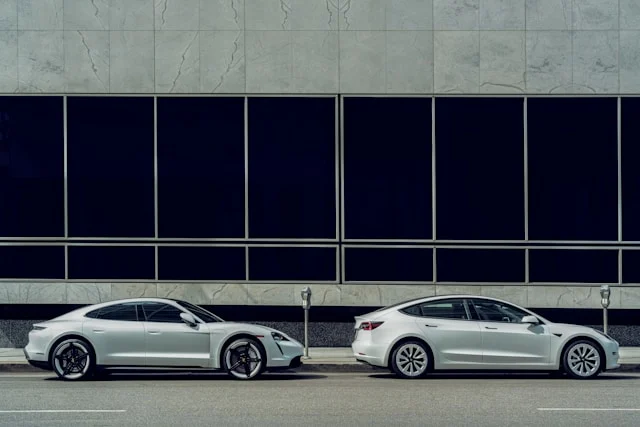
If you import a car from Norway, you pay 25% VAT and 10% customs duty, but the car is duty-free if it originates in the EU or Norway and the seller provides proof of origin. Verification of origin and a registration inspection follow. With over 60 years of combined customs experience, we can lodge the customs declaration for you.
Is importing a car from Norway worthwhile?
Importing a car from Norway can be worthwhile, particularly for electric cars, premium vehicles or work vehicles. Norwegian car prices are generally slightly higher than in Sweden and Germany but lower than in Denmark, except for electric cars, where favourable tax rules often make Norwegian prices particularly competitive. Remember to include duty, VAT and handling costs. We provide an accurate cost calculation from the start to avoid unpleasant surprises. The benefits then become clear: electric and diesel cars may be cheaper, premium cars can cost less than in Sweden, and there is a large choice of pick-ups and American models. You may also find equipment and configurations unavailable in Sweden, while the Norwegian krone exchange rate often favours Swedish buyers.
Accurate calculations and smooth procedures can help a buyer save money compared with buying the equivalent car in Sweden.
 Richard CosterCustoms specialist
Step by step: importing a car from Norway
Importing a car from Norway involves several steps that must take place in the correct order. Our expertise helps ensure everything is handled properly, avoiding unnecessary delays and costs.
1. Purchase and transport
- Choose the car by model, age and condition
- Allow approximately SEK 5,000–20,000 for transport
- Obtain temporary registration plates if driving the car yourself
Large payments in NOK are significantly affected by exchange rates and fees. Always compare the bank’s rate with the mid-market rate, ask for the total cost before approving the transfer and ensure the funds arrive in time for delivery or transfer of ownership.
2. Customs clearance on arrival
- Report to the customs office at the border. Choose a crossing with a customs office.
- Customs duty: 10% of the customs value, that is the purchase price plus freight, insurance and handling up to the EU border
- Cars originating in the EU or Norway are duty-free under the EEA Agreement if the seller provides proof of origin. Up to EUR 6,000 an origin declaration on the invoice is enough; above that a EUR.1 movement certificate or an approved exporter is required.
- A car manufactured in, say, Japan, the USA or China does not become duty-free simply because it is bought in Norway. Ask the seller about proof of origin before signing a contract.
3. Mandatory checks
- Verification of origin: the Swedish Transport Agency checks the car’s identity, that the documents are genuine and that the car is not reported stolen. The fee is SEK 1,240. The approval is valid for five years and is not a technical inspection.
- Registration inspection: environmental and road safety checks
- Every car you import yourself must undergo a registration inspection, including new ones. For an EC type-approved car with a CoC the inspection is simpler, covering identification of the car and recording its details in the register. Only registered importers may register new cars without an inspection.
4. Final registration
- Registration fee for Swedish plates
- The Swedish Transport Agency posts the registration certificate to you
- Plates are automatically delivered to your home
Vehicle types requiring extra attention
Not all cars are subject to the same import rules.
Importing electric and hybrid cars
Electric and hybrid cars may require specific documentation on battery condition and warranty. Norway’s favourable electric vehicle rules can make imports particularly attractive, but everything needs to be correct from the outset.
Classic cars
Special rules and relief may apply to classic cars, often 30 years old or more. These may include inspection exemptions, tax benefits or other exceptions, depending on the car’s exact age and history. We help establish what applies to your car.
Modified and heavy vehicles, such as converted cars, lorries or buses, often require more extensive documentation.
All modifications must be approved under Swedish rules, and heavy vehicles also have specific inspection and environmental classification requirements.
One of the most common mistakes we see is people assuming the EEA makes every car duty-free. The car is duty-free only if it was made in the EU or Norway and the seller provides proof of origin. Otherwise the duty is 10 per cent, explains Johan, who has worked with Norwegian imports for over 10 years.
 Johan MånssonCustoms specialist

Essential documents
Depending on the circumstances, up to 15 documents may be required. We help identify exactly what your car needs.
Always required
- Vehicle documents from Norway
- Customs documentation for import from outside the EU
- Documents proving origin
- An EORI number, and registration in the EU F-gas portal if the car has air conditioning. Check which refrigerant the car’s AC contains and whether it is listed in the annexes to the F-gas Regulation; Swedish Customs explains how. The requirement applies even when we lodge the declaration as your representative, and the registration number must appear on the customs declaration. The EORI number is free and is applied for from Swedish Customs.
May be required depending on the situation
- Purchase agreement and receipts
- Insurance documents
- EC certificate or certificate of conformity (CoC)
- Specific certificates for modified vehicles
Incomplete documentation causes 90% of the import delays we see. One missing receipt can hold up the whole process for weeks.
Johan MånssonCustoms specialistSafety standards and environmental requirements
Sweden and Norway have broadly similar safety requirements, but there are important exceptions:
- EC type-approved cars automatically meet Swedish requirements
- Vehicles from 1968 or earlier have specific rules
- The personal-use exception may allow a less stringent assessment
- Imports following relocation or inheritance may qualify for relief
We help you obtain the correct assessment from the start and avoid unnecessary complications.
What does it cost to import a car from Norway?
Before buying a car from Norway, understand the whole cost. It is easy to focus on the purchase price, but the surrounding charges determine whether the deal is worthwhile. These are the most common costs to include.
Mandatory charges
- Customs duty: 10% of the total value (car + freight + insurance)
- Duty-free if the car originates in the EU or Norway and the seller provides proof of origin
- VAT: 25% on the customs value plus the duty
- Registration fee
- Verification of origin
- Registration inspection
Vehicle tax
- Vehicle tax, plus the malus surcharge for petrol and diesel cars emitting more than 75 grams of carbon dioxide per kilometre. The malus applies for three years from the car’s first registration, even if that took place in Norway. Electric cars have no malus. The base amount is SEK 360 per year. Above 75 and up to 125 grams the carbon dioxide amount is SEK 107 per gram; above 125 grams it is SEK 132 per gram. Diesel cars also pay a fuel surcharge of SEK 13.52 per gram.
Transport costs
- Freight: approximately SEK 5,000–20,000 depending on the car and distance
- Transport insurance: mandatory to cover risks
- Handling costs up to the EU border: vary by freight forwarder
Other costs
- Temporary Norwegian registration plates if driving the car yourself
- A repeat inspection if faults are found
- Special certificates for modified or heavy vehicles
Allow 37.5% on top of the purchase price for duty and VAT, or 25% if the car is duty-free, plus freight and fees.
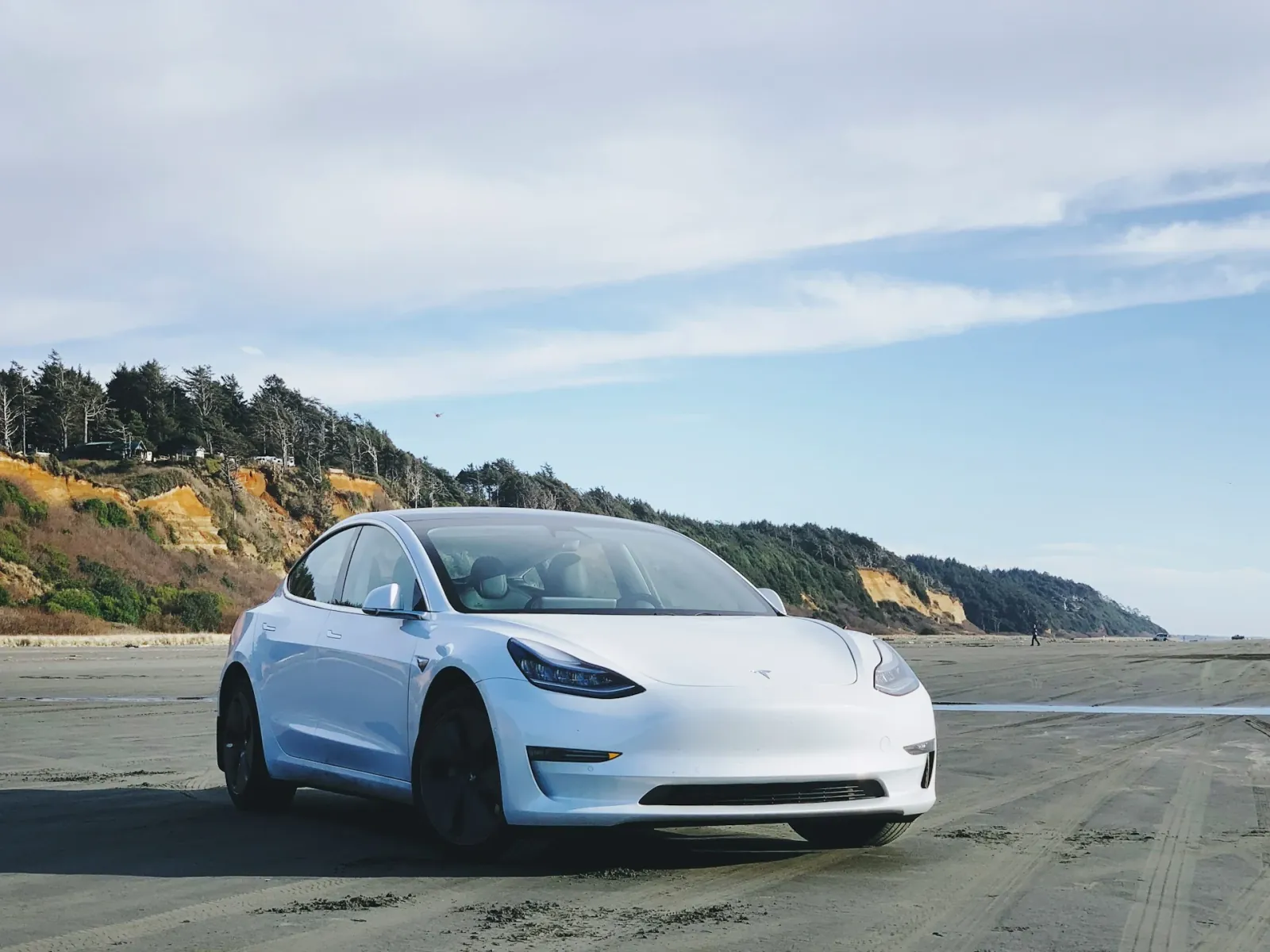
Cost example: importing a Tesla Model 3 electric car
- Purchase price in Norway: NOK 300,000 (approximately SEK 300,000)
- Customs duty, 10% of the customs value: SEK 30,000
- VAT, 25% on the car plus the duty: SEK 82,500
- Customs duty and VAT: SEK 112,500
- Total cost in Sweden before freight, verification of origin and inspection: SEK 412,500
- If the car originates in the EU or Norway and the seller provides proof of origin, the duty is nil and the VAT SEK 75,000, so SEK 375,000 in total.
With proper planning and accurate calculations, you can save tens of thousands of kronor compared with buying an equivalent car in Sweden.
Digital services that simplify the process
The Swedish Transport Agency offers online services to make the process easier:
Key online services:
- Apply for verification of origin (select Import from a country outside the EU)
- License the vehicle for use after registration
- Supporting information for a manual customs declaration
Important deadlines:
- Report to the customs office at the border
- Missing deadlines may lead to additional fees
- All applications must be printed and signed
Checklist: importing a car from Norway without mistakes
Before buying:
- Check whether the car is classified as new or used
- Calculate the total cost. Allow 37.5% on top of the purchase price for duty and VAT, or 25% if the car is duty-free, plus freight and fees.
- Ensure all necessary documents are available
During transport:
- Obtain temporary registration plates
- Arrange valid transport insurance
- Report to the customs office
- Pay duty and VAT to Swedish Customs at the border
- Submit receipts for all costs
After arrival:
- Complete verification of origin with the Swedish Transport Agency
- Arrange a registration inspection for technical checks
- Pay all charges: customs duty, VAT and registration
- Arrange Swedish third-party motor insurance before registration
How Tullify makes importing a car from Norway easier
Many find importing a car from Norway complicated because of the customs documents and duty calculations. With expertise in customs procedures and over 60 years of combined experience, we ensure your car import is handled smoothly and correctly.
When importing a car from Norway, we guarantee:
- Fast responses: usually within an hour when you call or contact us with questions about Norwegian customs documentation
- Correct handling of all documents that may be required
- Accurate duty calculations for imports from Norway, with no hidden costs
- Avoiding costly mistakes through a careful process
Contact us today and we will help you import a car from Norway without problems or delays. Our expertise takes the stress out of the customs documents, letting you focus on enjoying your new car.
Frequently asked questions about importing a car from Norway
How long does importing a car from Norway take?
Can I import a damaged car from Norway?
What happens if the car fails the registration inspection?
Is there a maximum age for importing a car from Norway?
Do I pay VAT on a used car from Norway?
Can businesses deduct VAT when importing a car from Norway?
Need help importing a car from Norway?
Read on
Is the car coming from another country? Read about importing a car.
Importing other goods from Norway? Read about importing from Norway.
More guides are collected in our customs guides.
